

Heat surges through your body, your heart beats faster, or you wake up drenched in sweat? Hot flashes and night sweats are among the most common complaints women experience during menopause. This doesn't make this time particularly pleasant. Here you can find useful information about the causes and management of hot flashes, menopause, and more.
Table of Contents
Hot Flashes: The Flying Heat
Everyone probably knows what hot flashes are, whether young or old. For example, during exercise, when eating spicy food, or in stressful situations. However, they are also a harbinger and a typical complaint of female menopause. About 85 percent of all women report hot flashes and associated sweating in the years before and after menopause. For 55 percent, hot flashes begin even before their cycle becomes irregular. Typical signs of hot flashes include:
- a slight pressure in the head and a feeling of discomfort
- a sudden wave of warmth spreading through the face, neck, and upper body
- reddening of the face
- sweating or a feeling of heat buildup
- slight shivering and a feeling of coldness after the sweating subsides
Hot flashes can occur several times a week or even several times a day and last from a few seconds to several minutes. This is why this symptom is also called "flying heat." Heat surges can also occur at night. Affected women often wake up drenched in sweat. This shortens the important deep sleep phase and can thus disrupt nocturnal regeneration. Even if some women go through menopause virtually symptom-free, about one-third suffer from severe symptoms.
Hot Flashes: Menopause and Hormonal Changes
But what happens during menopause? Menopause is a natural phase of hormonal change in a woman's life. During this time, the hormone balance changes: the ovaries gradually stop producing sex hormones like estrogen and progesterone, and the cycle begins to become more irregular. This is how the body prepares for the last menstrual period, menopause. Menopause marks the end of a woman's fertile life phase. In Germany, it occurs in the majority of women around the age of 51. Perimenopause usually begins in the mid-40s. However, menopausal symptoms can persist even after menopause. This period is called postmenopause.
According to a study, menopausal symptoms accompany affected women for an average of just over 5 years. In addition to the widespread hot flashes, often associated with heavy sweating, other symptoms can be accompanying signs of menopause. Women in menopause may also suffer from sleep disturbances, mood swings, inner restlessness, dry mucous membranes, or weight gain.

Hot Flashes: Herbal Helpers
Many common menopausal symptoms are believed to be due to the described hormonal changes in the body. Hormone replacement therapy is an option for women who suffer from severe menopausal symptoms. However, conventional hormone therapy can increase the risk of diseases such as breast cancer or blood clots.
Herbal remedies offer an alternative here. Some medicinal plants also affect the hormone balance. For example, local red clover contains secondary plant compounds that are structurally similar to the sex hormone estrogen. Such phytoestrogens are also found in Siberian rhubarb. Both are able to bind to estrogen receptors, similar to hormones. This can help alleviate menopausal symptoms such as hot flashes. They are currently being discussed as a risk-free alternative to hormone replacement therapy. A similar effect is also attributed to diosgenin, which is found in wild yam extract. It resembles the hormone progesterone. Chasteberry is another medicinal plant said to have a positive effect on hormone balance. Valerian, sage, or lavender are also said to have a soothing effect on typical menopausal symptoms.
5 Tips for Hot Flashes During Menopause
Menopause is a natural process that is part of every woman's life. A self-confident and mindful approach to this phase can help prevent or alleviate hot flashes, night sweats, and other possible menopausal symptoms. That's why we've put together 5 tips that can help you deal with hot flashes during menopause:
1. Vitamin-rich diet
Women in menopause can particularly benefit from a balanced and vitamin-rich diet. Vitamins B6 and B12, together with folic acid, contribute to normal hormone metabolism. This can help the body regulate hot flashes better. Some of these vital nutrients are found, for example, in legumes, nuts, or seafood. In a vegan or vegetarian diet, vitamin B12 can be particularly lacking, as it is found exclusively in animal products. Therefore, additional supplements may be an option for you.
2. Herbal Helpers
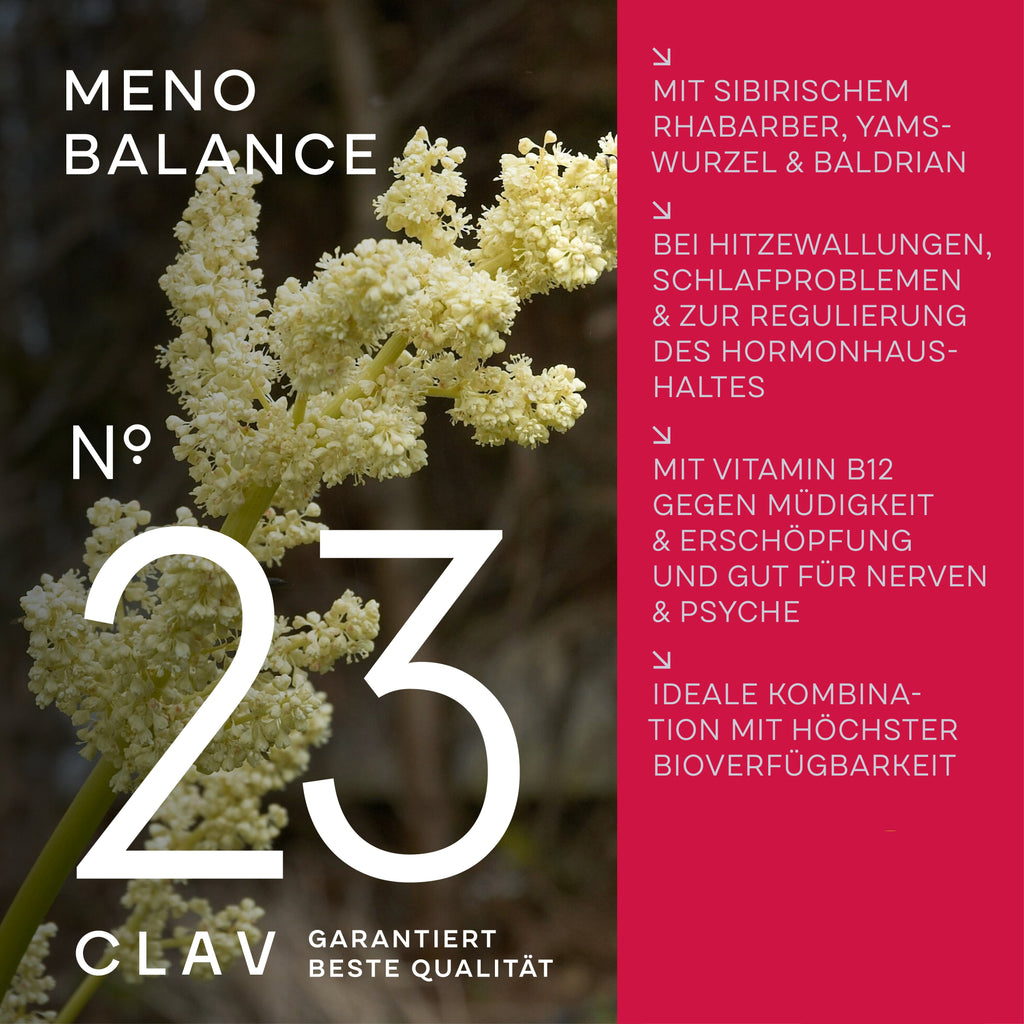
Herbal remedies can also support your normal hormone balance and help prevent or alleviate hot flashes and other discomforts. Phytoestrogens are found, for example, in red clover, Siberian rhubarb, or soy. Chasteberry or wild yam extract are also attributed a positive effect on hormone balance. Lavender and valerian can be calming. You often find preparations that integrate several of these valuable plant compounds. Even with herbal active ingredients, you should consult your doctor. They should be tailored to your individual needs during menopause. By the way, a medical examination can also clarify whether you are suffering from hot flashes for other reasons. For example, they are also typical for histamine intolerance.
Advertisement
3. Avoid sweat-inducing indulgences
Coffee, alcohol, or nicotine can promote hot flashes and night sweats. Especially during menopause, you should therefore avoid them or ideally omit them completely to reduce uncomfortable symptoms. As delicious as spicy and hot foods are, they can also lead to hot flashes. Instead, you can spice up your dishes with fresh and aromatic herbs like parsley or basil.
4. Relaxation
During menopause, daily stress can increasingly lead to hot flashes. Therefore, incorporate sufficient moments of rest into your day. They can help you alleviate your discomfort. Regular yoga exercises, walks, meditation, or progressive muscle relaxation are ways to calm down. You'll find out which method suits you best by experimenting.
5. Clothing
Our last tip: Choose the right clothing for menopause. Dress in layers according to the onion principle. This way, if you start sweating, you can quickly take something off. If you then start to feel cold, you can just as quickly put a layer back on. Clothing made of breathable natural materials such as linen, cotton, or silk is also sensible.
With these practical tips, you can skillfully and confidently deal with the symptoms of menopause and prevent discomfort. So that you can enjoy your life to the fullest even during this phase.
Other interesting blog posts for you:
Menopause and its symptoms - how to recognize perimenopause
The effect of red clover in menopause
Sources:
- https://www.ncbi.nlm.nih.gov/pmc/articles/PMC4890704/
- https://pubmed.ncbi.nlm.nih.gov/19188852/


 DE-ÖKO-006
